





ALF Urges Supreme Court To Reaffirm Punitive Damages Due Process Guideposts
The certiorari petition in Givaudan Flavors Corp. v. Graham (26-468) presents the Supreme Court with an ideal opportunity to clarify the Fourteenth Amendment due process limits and reinforce the due process guideposts that its precedents establish in connection with excessive punitive damages awards.
The plaintiff in this product liability case alleges that his occupational exposure to flavoring products produced by Givaudan and other manufacturers and used at a General Mills food-manufacturing plant in Missouri caused his lung disease. Following a state-court trial, a Missouri jury not only awarded $2 million in compensatory damages, but also $56 million in punitive damages—a punitive damages award 28 times the amount of the compensatory damages award. An intermediate Missouri appellate court rejected Givaudan’s argument that this arbitrary and excessive punitive damages award violates due process, and the Missouri Supreme Court declined to review the case.
Issue Areas:
Civil Justice
Case:
Givaudan Flavors Corp. v. Graham (26-468) (Supreme Court) (petition)
Read the Amicus Brief:

Question(s) Presented:
Whether an appellate court may affirm a punitive damages award that is 28 times a large compensatory award, without finding a compelling reason to depart from the presumption that punitive damages should not exceed the amount of a substantial compensatory award, or at least the historical limit of quadruple damages.
ALF’s Amicus Brief:
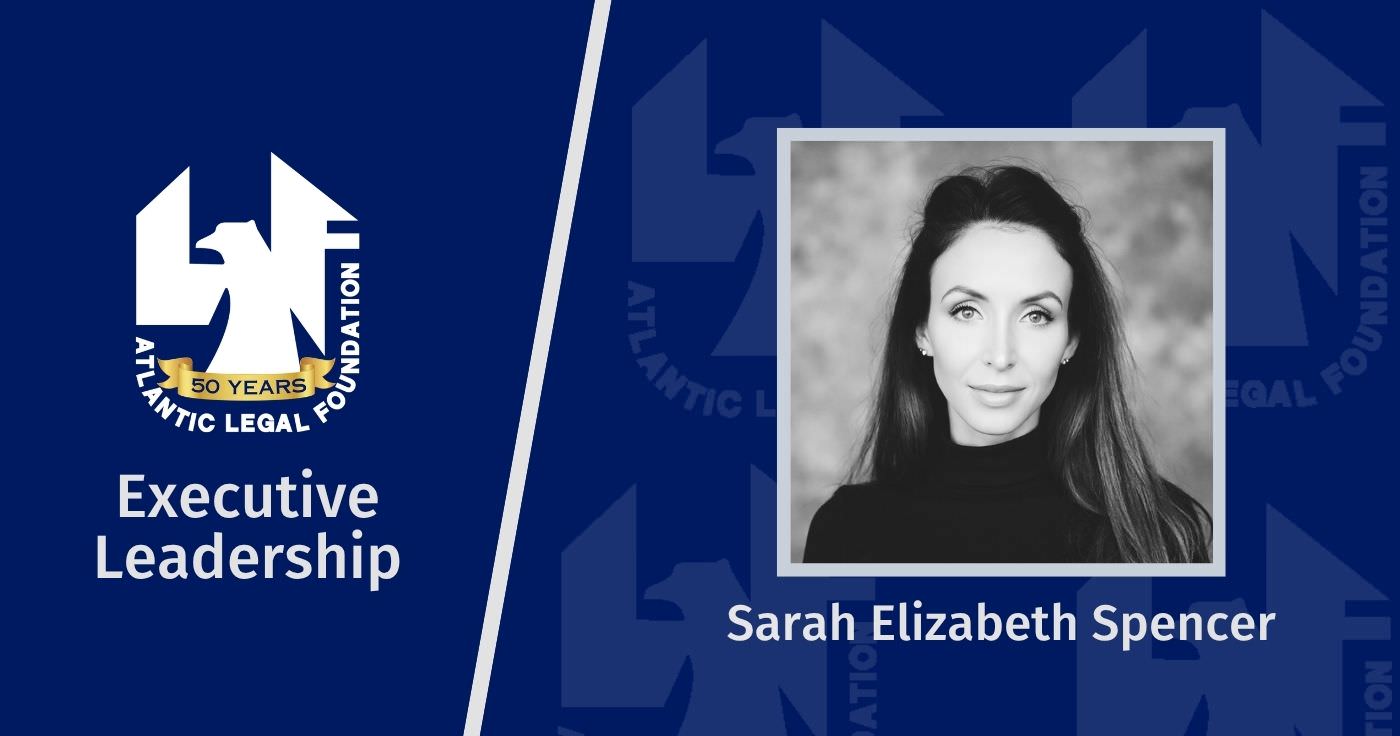
ALF’s amicus brief, authored by Vice President & Associate General Counsel Sarah Elizabeth Spencer, discusses how the Missouri Court of Appeals erred in affirming a punitive damages award 28 times the amount of the compensatory damages award.
The brief asks a question any company facing punitive damages would ask: Who decided the amount, and how? According to Missouri courts, that State’s statutory cap on punitive damages does not apply. So when the Missouri Supreme Court declined review, one three-judge panel became the last court to decide whether the Constitution allows a $56 million punishment.
The brief explains that the panel recited the Supreme Court’s guideposts and then set them aside. It gave what it regarded as reasons to punish. It never explained why $56 million was appropriate. Instead it leaned on the jury’s discretion, on larger verdicts in other Missouri cases, on the company’s net worth, and on a federal fine written for a different situation. None of those tells anyone whether the amount fits the harm.
None of this excuses allegedly harmful conduct. The Constitution’s limit is about measuring punishment, not avoiding it. And the cost of leaving the measure out does not stop with one company. A decision like this shapes every settlement negotiated in its shadow, because a defendant is entitled to know not only what conduct can be punished, but how severe the penalty can be.
Contact:
Email ALF Vice President & Associate General Counsel Sarah Elizabeth Spencer.
Date Originally Posted: November 25, 2026